Rev. George Varughese (Shaji Karackal)
Baghdad: In the heart of Baghdad, on the storied stretch of Al-Rashid Street where the city’s layers of history still whisper if you listen closely, something quietly remarkable has taken shape. The heavy wooden doors of a nearly century-old building—carved with menorahs, hamsas, and the proud lettering of its past—have swung open once more. This time, not for the laughter of schoolchildren, but for anyone curious enough to step inside and meet a chapter of Iraq that many thought had faded into silence.
This is the Shamash Jewish Museum, the first of its kind in the country. Housed in the restored halls of the historic Shamash School, founded in 1928 by a wealthy Baghdad Jew named Yaqub Shlomo Shamash, the space now holds the fragile, luminous remnants of a community that once pulsed through the veins of this city.
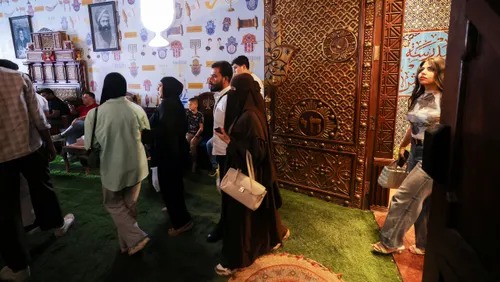
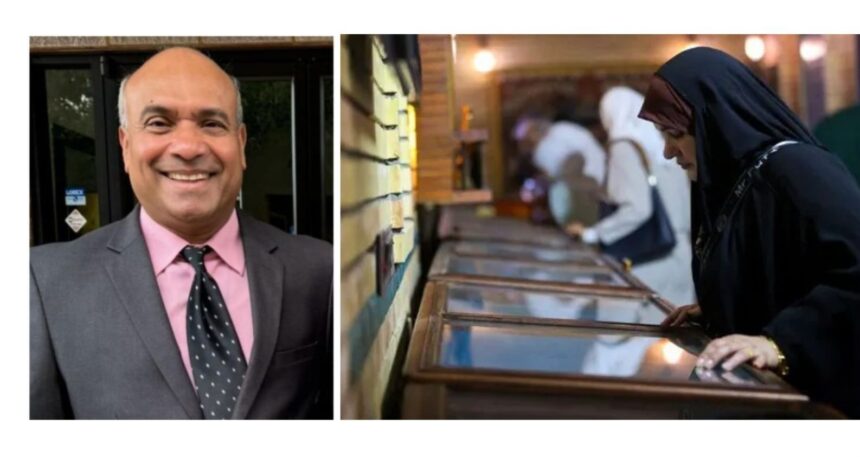
Walk through those doors and the air feels different. Glass cases display faded school certificates, handwritten records, and family photographs that capture faces full of quiet ambition and everyday joy. Traditional clothing hangs nearby, alongside household utensils, religious artifacts—a menorah here, a prayer shawl there—and screens that play recorded voices of people who once called these streets home. The walls remember. One holds a portrait of the school’s founder himself. Another nods to figures like Sassoon Eskell, Iraq’s first finance minister, or the doctor who treated patients for free because that was simply how neighbors looked after one another.
It’s hard not to feel a tug of curiosity. How did a community that numbered more than 130,000—nearly a quarter of Baghdad’s population at its height, with roots stretching back 2,500 years to the Babylonian exile—shrink to just a few dozen souls today, most of them far from the capital? The stories are complicated, marked by upheaval, departure, and the long ache of absence. Yet here, in this carefully tended space, the focus is not only on what was lost. It’s on what remains worth knowing, worth holding, worth sharing.
Locals have been wandering in, sometimes in groups, sometimes alone, pausing over a faded class photo or listening to a voice from another time. Foreign visitors have found their way too, drawn by the same quiet intrigue. On the opening days, more than a thousand people came through—people who may never have met a Jewish Iraqi neighbor, but who still feel the pull of a shared city history that once included them fully.
There’s something deeply human about it. In a place that has known so much fracture, this museum feels like an invitation to remember the fuller picture: a Baghdad of many threads, where science was taught alongside tradition, where different communities shared classrooms and streets, and where the past refuses to stay completely buried. The school itself once held 900 students at its peak in 1939. The building later served other purposes, returned to the community by court order in 1992, and waited through decades of uncertainty until this moment.
Now it stands open. Not as a monument to absence, but as a living room of memory—for Iraqis who want to understand the layers beneath their feet, and for travelers who sense that true heritage is never just one story. Step inside, and you might find yourself lingering longer than planned, wondering what other quiet doors in this ancient city still wait to be opened. The past, it turns out, still has something to say. And in Baghdad, at least for now, people are listening.