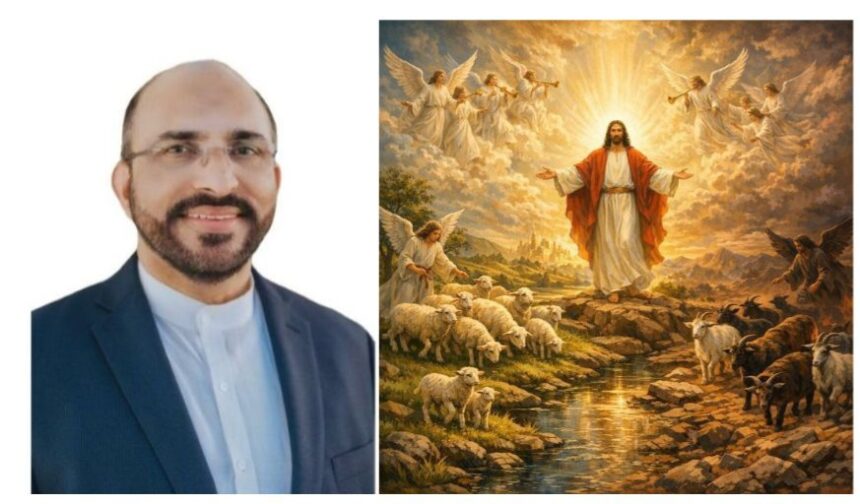
Christ the Coming Judge and King: New Heaven and New Earth
Rev. Dr. Mathew Philip
Introduction:
Christian hope is not an escape from the world but the renewal of everything by God. But the hope is focused on Jesus Christ, the Savior, the Coming Judge and King. The biblical story concludes with Christ’s glorious return, where He executes a righteous judgment and establishes a new heaven and a new earth. This vision is not speculative imagination; it is firmly grounded in Scripture, especially in the closing chapters of Revelation. It provides both a theological conclusion to God’s redemptive work and a pastoral support for believers living in a broken world.
Christ the Coming Judge:
The New Testament stresses that Jesus Christ will come back as Judge. This is part of His identity as Savior and a reflection of His authority and righteousness. In Acts 17:31 Paul says that God has set a day for judgment and that the certainty of that day signals the end of the trajectory of history. The judgment will be a full evaluation of each life, bringing to light what is hidden and making perfect justice, thus affirming the supremacy of God’s moral order. Christ’s judgment is marked by perfect justice, based on His holiness, truth, and impartiality. Christ’s judgements are perfect and just, not like the defective judgements of human government. The future judgment is a summons to accountability for all mankind. People will stand before Christ as moral agents, accountable for their deeds. This judgment for believers is not a judgment of condemnation but a judgment of vindication, of the affirmation of their righteousness in Christ.
Christ the Reigning King:
The return of Christ is not only about judgment but also about kingship. Jesus will return as the victorious King who establishes His reign. Revelation 19:16 calls Him “King of kings and Lord of lords,” indicating His supreme authority. Three major themes summarize the doctrine of the second coming of Christ. First, the coming of God’s kingdom: God’s kingdom is a theme that runs through all of Scripture, promised, inaugurated, and ultimately fulfilled in Christ. His coming back is the defeat of evil, the return of righteousness, and the visible kingdom of God among His people. Second, victory over evil: In Christ’s kingship, sin, Satan, and death are finally conquered. This will be a turning point in the spiritual world. The victory won by the cross will be fully realized at His return. Third, a kingdom of peace and justice: Christ’s reign will be characterized by absolute justice, complete peace, and eternal righteousness—qualities that speak to our deepest longings for a life of fairness and harmony. This kingdom not only offers hope but also is the culmination of God’s redemptive plan through Christ. The New Testament consistently affirms that Jesus Christ will return aa judge. This role is not separate from His identity as Savior; rather, it is the fulfillment of His authority and righteousness.
The New Heaven and New Earth:
In Christian theology, the climax of Christ’s work is focused on the theme of renewal. This transformation is suggested in Revelation 21:1 with John’s vision of “a new heaven and a new earth” and the emphasis that the new creation is a renewal and transformation, not the outright destruction of the present world. From this perspective, God does not abandon His creation but seeks to redeem it. Much of this renewal is described in Revelation 21:3, where it says that God’s dwelling place is now with the people. This statement points to the ultimate purpose of salvation, which is to restore the relationship between mankind and God. Moreover, the new creation will be a condition without suffering. As the text says, there will be no more death, nor mourning, nor crying, nor pain. This change is the complete reversal of the effects of sin and the creation of a new existence of peace and divine presence among people.
Eternal Joy and Worship:
In the new heaven and new earth, believers will be in the presence of God. They will be experiencing a direct encounter with God. This is a relationship of active service and worship. It is a deep, engaging way of being, not something dead and static. The faithful will be part of God’s reign forever and ever. This suggests a life of purpose and divine connection that is continuous, joyful, and dynamic.
Theological Significance:
In the doctrine of Christ as Judge and King and the promise of the new creation, there are several theological themes that together affirm the completeness of God’s purposes. Firstly, the theme of justice is important as it highlights how God will put right all wrongs and establish what is right. Second, redemption affirms that all of creation will be restored to its intended glory. Thirdly, the theme of glory speaks of the ultimate revelation of Christ, who will be fully manifested. Last, the theme of hope is to reassure believers of the promise of eternal life. This theological vision then affirms the notion that God’s plan is actively progressing towards its fulfillment and is not left incomplete.
Pastoral Implications:
This doctrine, rooted in theology and practice, carries important implications for believers. First, it calls for holy living; the imminent return of Christ to judge serves as a motivation for believers to uphold integrity, righteousness, and faithfulness in their lives. Second, it offers hope in suffering; for those enduring trials, injustices, or losses, the promise of a new creation provides comfort, affirming that current hardships are temporary and restoration is guaranteed. Third, it fosters motivation for mission; the awareness of Christ’s future judgment instills a sense of urgency within the Church to actively engage in gospel proclamation and spread the message. Lastly, it extends comfort to believers; this doctrine reassures them that their future is secure in Christ, enabling them to confront life’s challenges with steadfast confidence.
Conclusion:
Christ is coming—not merely as Savior but as Judge and King. His return will bring justice, His kingdom and new heaven and new earth. The Christian hope is not escape—it is renewal. It is the promise of God that He will make all things new. As believers live in the hope they cling to the vision of a renewed creation in which Christ reigns, God dwells with His people, and all things reach their glorious fulfillment. “Behold, I make all things new.