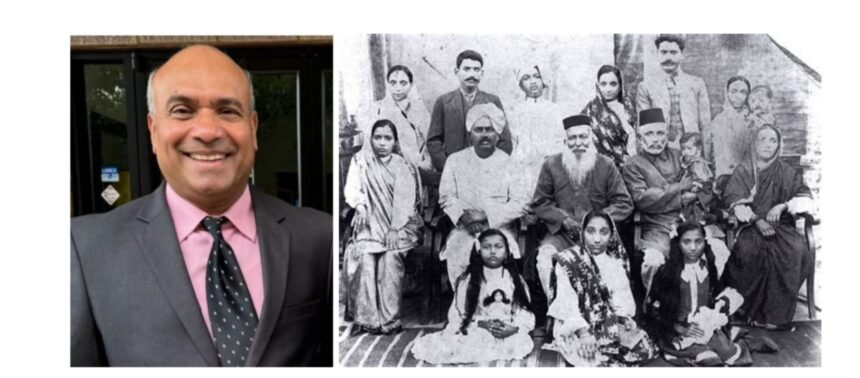
Rev. George Varughese (Shaji Karackal)
Mumbai/Jerusalem: DNA gives new weight to the Bene Israel story
For years, some Jewish authorities questioned whether India’s Bene Israel community was truly Jewish. When thousands of Bene Israel began moving to Israel after 1948, several rabbis refused to accept their marriages without investigating their family histories. The dispute grew so serious that community members held protests and hunger strikes.
In 1964, Israel’s Chief Rabbinate finally recognized the Bene Israel as “full Jews.” Even then, questions about their origins continued.
A 2016 genetic study brought powerful new evidence. Researchers examined the DNA of 18 Bene Israel members and compared it with samples from Jewish, Indian and other populations. They found that the community has substantial ancestry from both Jewish populations and local Indians. The results point to an ancient meeting between Jewish travelers from the Middle East and Indian women, followed by generations of life and intermarriage in India.
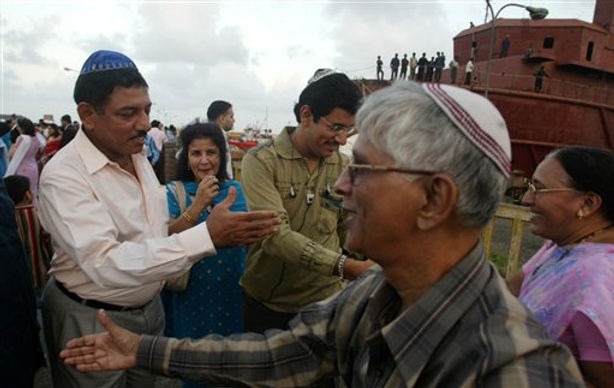
The findings supported what the Bene Israel had said all along: their Jewish identity was not a recent invention or a borrowed tradition. It was rooted in a real connection to the Jewish people.
Still, the researchers made an important distinction. DNA can trace ancestry, but it cannot decide who is Jewish. Faith, practice, memory and community matter, too.
For the Bene Israel, the study was more than a scientific discovery. It was a long-awaited acknowledgment that their story deserved to be heard—and that identity can survive centuries of distance, uncertainty and doubt.