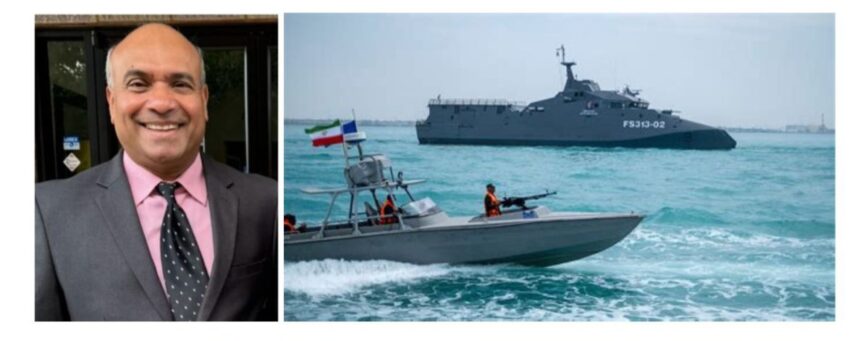
George Varughese
Washington DC/Tehran: President Donald Trump announced on April 21, 2026, that the United States is extending its ceasefire with Iran indefinitely, at the request of Pakistani mediators, just one day before the original two-week truce was set to expire. The move aims to prevent an immediate resumption of hostilities in the ongoing conflict, which has disrupted the Strait of Hormuz, spiked global oil prices, and rattled energy markets.
Promising Signs Amid the Stalemate: The extension buys critical time for diplomacy, easing short-term fears of renewed strikes and allowing space for Iran to submit fresh proposals. Trump signaled confidence in eventually reaching a “great deal,” while holding off on further military action until discussions conclude. Pakistan continues active mediation efforts in Islamabad. Earlier signals from Iranian officials indicated openness to a second round of talks, with some reports noting Tehran was reviewing U.S. proposals and preparing negotiating teams. Progress on related fronts, such as Israel-Lebanon ceasefires, has also been cited as a positive development.
Current Challenges Talks remain stalled: Iran has declined to confirm participation in the planned Pakistan round, citing the ongoing U.S. naval blockade of its ports and rejecting negotiations “under the shadow of threats.” Iranian leaders, including Parliament Speaker Mohammad Bagher Ghalibaf, have warned of “new cards on the battlefield” while insisting on preconditions like lifting the blockade. Vice President JD Vance’s planned trip to Islamabad was put on hold.
Key sticking points include Iran’s enriched uranium stockpile, control of the Strait of Hormuz, nuclear ambitions, and broader regional issues. Both sides continue exchanging tough rhetoric, though the ceasefire extension has steadied markets for now.
Diplomacy is in a delicate holding pattern. The indefinite pause reduces immediate escalation risks and keeps the door open for progress, but deep distrust and unresolved core disputes mean a lasting peace remains uncertain in the near term. Analysts note that while the extension is constructive, sustained talks will require compromises on both sides.