Rev. George Varughese (Shaji Karackal)
Jerusalem/Israel: Route 60, now officially known as the Biblical Highway, follows an ancient path known as the “Way of the Patriarchs” or “Path of the Patriarchs.” This 146-mile (235 km) road, the path where “Abraham, David & Jesus Walked,” runs north-south along Israel’s central mountain ridge, connecting the past and present in powerful ways. Here are some of the most significant sites along or near the route, from south to north:
Southern Section
• Beersheba: Often called the “capital of the Negev.” Abraham dug wells here, made treaties, and planted a tamarisk tree while calling on the name of the Lord. Isaac also lived in this area. Today it’s a modern city with archaeological remains of ancient wells and settlements.
• Hebron: One of the most ancient cities in the world. Abraham purchased the Cave of the Patriarchs (Machpelah) as a burial site. It is traditionally the resting place of Abraham, Sarah, Isaac, Rebekah, Jacob, and Leah. King David ruled from Hebron for seven years before moving to Jerusalem.
Central Section
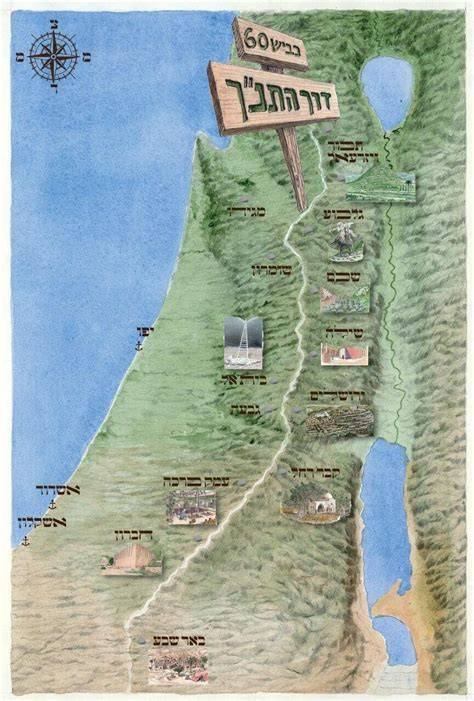
• Bethlehem (Beit Lechem): Birthplace of King David and Jesus. It is also the burial place of Rachel (Rachel’s Tomb) and the setting for the Book of Ruth. The hills around it were where shepherds watched their flocks.
• Jerusalem: The heart of the route and of Jewish and biblical history. It includes the City of David, the Temple Mount (site of the First and Second Temples), Mount Moriah (where Abraham nearly sacrificed Isaac), and countless sites from both the Old and New Testaments.
Northern Section (Judea & Samaria / West Bank areas)
• Bethel (Beit El): Where Abraham built an altar and where Jacob had his famous dream of a ladder reaching to heaven with angels ascending and descending.
• Shiloh: The spiritual center of ancient Israel for nearly 400 years. This is where the Tabernacle and the Ark of the Covenant stood. It was also the place where the prophet Samuel grew up and where Hannah prayed for a son.
• Shechem (near modern Nablus): Abraham entered the land here and built an altar. It is where Jacob camped, Joseph is buried, and Joshua renewed the covenant with the Israelites. Nearby are Mount Ebal and Mount Gerizim, associated with blessings and curses.
Far North
• Nazareth: Childhood home of Jesus. From here, the highway connects to other Galilean sites.
Traveling Route 60 today feels like moving through layers of living history. The same ridge line has been used for over 4,000 years by patriarchs, kings, prophets, and pilgrims. Modern travelers can visit archaeological parks, ancient tombs, churches, synagogues, and visitor centers that bring these stories to life.
The recent renaming as the Biblical Highway aims to highlight this incredible heritage, boost educational tourism, and add signage and visitor facilities. Whether seen through a Jewish, Christian, or historical lens, the route stands as a timeless corridor that connects the stories of the Bible with the land itself.