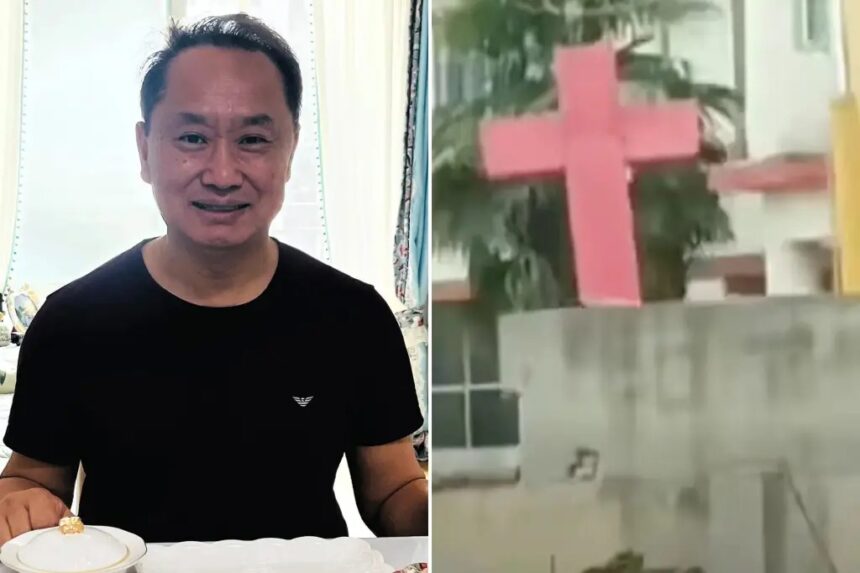
Beijing: In the quiet hours before dawn in a Beijing detention center, a pastor sits with the weight of ordinary things made extraordinary. A collection plate. A hymn shared among friends. A gathering planned to mark twenty years of quiet faithfulness. These are the elements that, according to reports from his wife and advocacy groups, now form the basis of a fraud charge against Pastor Xianfeng Edward Cui.
Cui, also known as Zhou Zixun, founded Beijing Jiaquan Church in 2006 after returning from studies abroad. What began as a small fellowship grew into a network of more than a thousand believers meeting in homes and rented spaces across the city and beyond. They were not seeking confrontation. They were seeking community—prayer, teaching, mutual care—in a landscape where official registration under state-approved structures would have required aligning doctrine and practice with political priorities. They chose independence.
For years the pressures accumulated like silt in a riverbed. In 2019 authorities sealed the church’s main worship space. Meetings scattered into smaller groups. In 2023, officials interrupted a Sunday class to deliver a clear message: keep any single gathering under one hundred people. The congregation adapted, as house churches so often do—quietly, resourcefully, with the stubborn hope that faith can find room even when walls close in.
Then came September 4, 2026. About fifty members were preparing a hotel conference room for the church’s twentieth anniversary celebration. More than a hundred officers arrived. Identifications were recorded. Seven coworkers were taken. Cui, visiting believers elsewhere that day, was summoned and did not return home. What had been intended as a moment of thanksgiving became the opening chapter of detention.
On October 23 the formal charge of fraud was approved. His wife, Jin Young Gu (also known as Cui Jinyoung), living outside China and long denied a visa to reunite with him, explained that the allegation centers on the voluntary offerings of members—the simple act of passing a collection plate in an unregistered congregation. Seven others eventually released on bail have spoken of the trauma of interrogation. Cui remains held. From detention he is said to have sent a quiet encouragement: hold fast to faith and never lose hope.
There is something both heartbreaking and strangely luminous in the details. A man in his late fifties, a husband, a shepherd of a scattered flock, now facing the machinery of the state for the ordinary practices of Christian life. The Chinese government’s broader “Sinicization” policy has long sought to bring religious expression under the guidance of the Party. Independent Protestant communities—China’s largest religious minority outside official structures—have felt the tightening. Churches closed, crosses removed, leaders detained under economic or administrative charges. Jiaquan is one more name in a lengthening list.
Yet the story does not end at the detention center door. It continues in the whispered prayers of those who still gather in smaller circles. It continues in the letters of a wife who cannot cross the border to stand beside her husband, yet refuses silence. It continues in the curiosity that asks: what is it about a voluntary gift offered in faith that unsettles power? What quiet strength allows people to keep meeting, keep singing, keep hoping when the cost is so high?
History has seen this pattern before—communities of conviction pressed hard, only to discover that pressure can refine rather than erase. The collection plate that once held coins and quiet generosity now holds a different kind of offering: the witness of endurance. Whether the charge stands or falls in a courtroom, the deeper question lingers. Can a movement of the heart be fully administered? Can hope be registered, regulated, and finally extinguished?
Pastor Cui’s story invites us to lean closer, not only in sympathy but in wonder. In the space between official narratives and the lived experience of believers, something resilient persists—an insistence that some loyalties run deeper than policy, some gatherings matter more than permission. The light that began in a small Beijing fellowship in 2006 has not gone out. It has simply been forced into smaller rooms, where it continues to burn, steady and unexpected, inviting anyone who notices to ask what kind of fire refuses to be put out.